Developing PS and DHA Gummies: Evaluating Transparent Shell Formulations and Suspension Stability
A procurement guide for brands evaluating high-clarity softgel and gummy formulations containing phosphatidylserine (PS) and DHA, covering shell clarity, suspension stability, and batch qualification.
Key points
- Define regulatory category, ingredient grades, unit fill weight, and clarity expectations before evaluating transparent shell prototypes.
- Evaluate shell clarity, suspension behavior, and finished product stability as separate, traceable test records.
- Compare candidate contract manufacturers using identical sample storage conditions and verified batch release documents.
Clarifying Requirements for Transparent Shell Formulations
When brand owners evaluate developmental proposals for gummy candies or softgels containing phosphatidylserine (PS) or DHA algae oil, clarifying product category, formulation status, and destination markets comes first. Transparent appearance is an aesthetic and consumer-facing requirement; visual clarity alone does not substantiate active ingredient potency or shelf-life stability.
Requesting a transparent shell without technical parameters invites ambiguity. A rigorous specification defines target color, clarity degree, capsule shape, fill volume, and recommended administration, identifying non-negotiable thresholds versus parameters open to pilot optimization.
If benchmarking against reference commercial samples or photographs, specify whether the benchmark applies to visual hue, seam finish, or fill texture. Reference products should not be assumed as identical in active potency or regulatory approval.
Distinguishing Ingredient Specifications from Active Assay Targets
Before initiating formulation feasibility, document raw material chemical grades, supplier specifications, gross inclusion levels, and target active compound claims. For DHA and PS, raw material inclusion weight and finished product active assay are distinct metrics that must be documented separately with appropriate units.
When providing an existing formula, specify permissible adjustment margins for excipients and binding systems. If starting from a concept, supply intended performance goals and dietary exclusions so the technical team can design appropriate pilot screening matrices.
Ensure competing contract manufacturers submit proposals based on identical target specifications. If one supplier alters unit fill weight while another switches raw material grades, comparative unit pricing becomes misleading.
Separating Shell Visual Inspection from Fill Suspension Stability
Prototype review requires structured documentation addressing three core questions: visual attributes observed, environmental exposure conditions, and exact sample iteration codes. Maintain records of inspection dates, packaging configurations, temperature, humidity, and photographic controls.
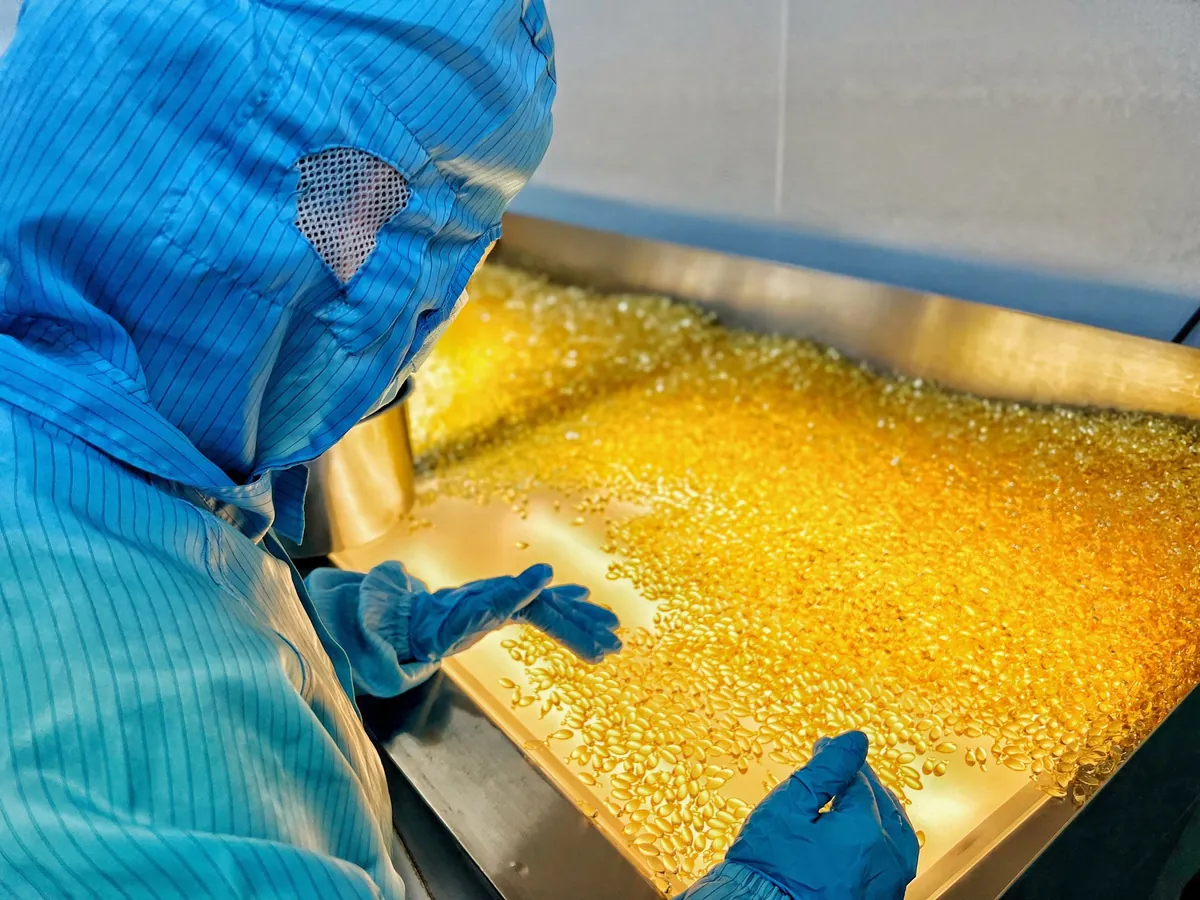
For the outer shell, evaluate color stability, bubble inclusion, seam integrity, and tactile elasticity. For inner fill materials, establish analytical criteria for phase separation, viscosity, and active retention. Buyers should verify whether conclusions rely on visual observation or validated chromatographic testing.
If haze, micro-bubbles, or sediment develop during storage, document occurrence timelines and exposure parameters before drawing conclusions. Aesthetic improvements should not be conflated with verified shelf-life extension.
Comparing Manufacturing Proposals Under Harmonized Benchmarks
Every sample round should carry distinct version numbers detailing formulation, fill weight, gelatin or starch shell grade, and target validation checkpoints. When comparing samples, align storage duration, container closure, and lighting conditions.
When auditing potential manufacturing partners, clarify the following technical questions:
- Which formulation version does the prototype represent, and which excipients remain variable?
- What testing methods evaluate shell clarity versus active ingredient suspension?
- What real-time and accelerated stability conditions have been completed to date?
- Who verifies technical acceptance criteria prior to scale-up?
- Which technical reports can be provided in redacted form, and which constitute proprietary data?
Transitioning from Laboratory Prototypes to Commercial Production
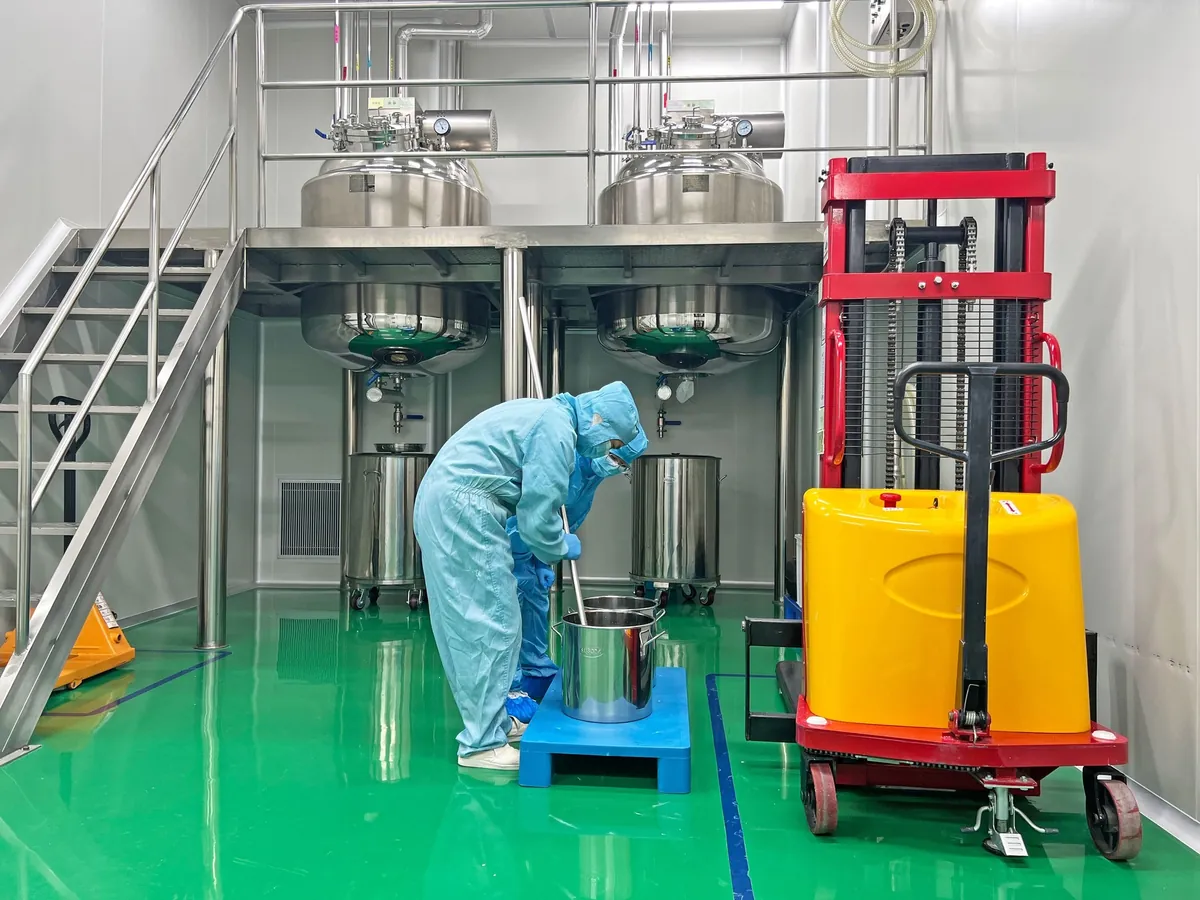
Bench-scale prototypes and commercial packaging runs often involve different thermal profiles, tooling speeds, and drying kinetics. Prior to commercial batch commitment, review commercial container closures, final release specifications, and stability testing protocols.
Formal sample approval records should explicitly detail accepted specifications, outstanding validation checkpoints, designated responsible personnel, and milestone dates. Commercial pricing and production scheduling should correspond directly to the confirmed technical freeze.
Detailed manufacturing specifications can be explored through our OEM project brief guide and coordinated directly via the ATXA contact portal.
Sources and scope
- ATXA Manufacturing Capabilities
Overview of high-precision encapsulation lines, drying processes, and cleanrooms.
- ATXA Technical Consultation
Technical intake and sampling arrangements for transparent softgel development.
Sources checked and this article last revised on 2026-10-28. Source pages may change; refer to their current content.