
Softgel Capsules
50M/month
For DHA, fish oil and lipid nutrition projects.
MANUFACTURING CAPABILITIES
ATXA operates certified GMP cleanroom facilities equipped with automated encapsulation, tableting, and filling machinery, supporting monthly softgel capacity of 50 million units and daily tablet capacity of 500,000 units.
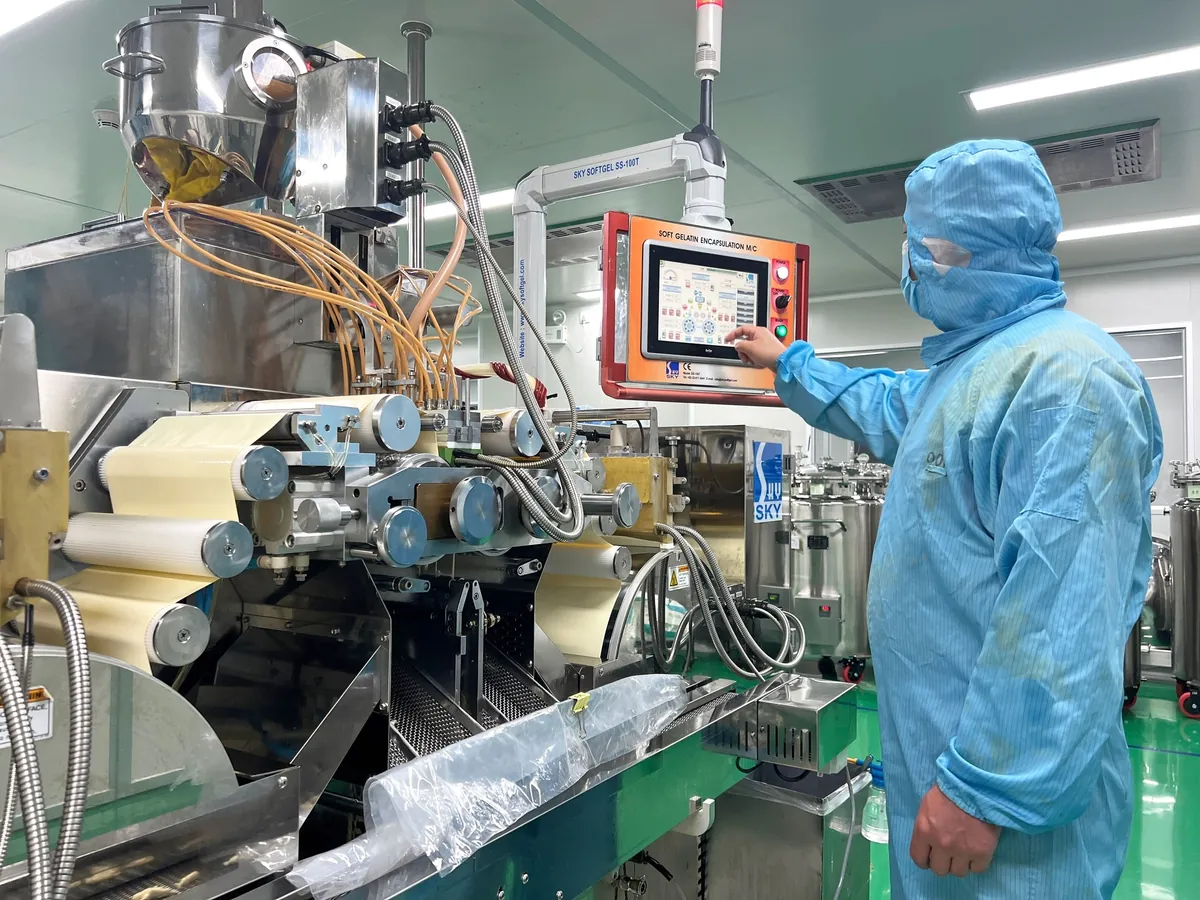
GMP Factory
ATXA operates certified GMP cleanroom facilities equipped with automated encapsulation, tableting, and filling machinery, supporting monthly softgel capacity of 50 million units and daily tablet capacity of 500,000 units.
For DHA, fish oil and lipid nutrition projects.
Flexible shapes, specifications and packaging options.
For sachet and portable nutrition projects.
For measured packaging and combo product concepts.
Covering 502-can and 401-can specifications.
| Dosage Format | Listed Capacity | Specifications & Applications |
|---|---|---|
| Softgel Capsules | 50M/month | For DHA, fish oil and lipid nutrition projects. |
| Tablets | 500K/day | Flexible shapes, specifications and packaging options. |
| Probiotic screw packs | 280K/day | For sachet and portable nutrition projects. |
| Probiotic cup packs | 120K/day | For measured packaging and combo product concepts. |
| Canned powders | 15K-20K/day | Covering 502-can and 401-can specifications. |
PRODUCTION PROCESS
Overview
Located at Building 4, Jinshan Industrial Park in Panyu, Guangzhou, ATXA's manufacturing facility features cleanroom workshops constructed to Class 10,000 engineering specifications and certified for Class 100,000 operational hygiene. The site is equipped with precision rotary softgel encapsulation machines, high-speed rotary tablet presses, and automated powder filling lines, delivering listed capacities of 50 million softgels monthly and 500,000 tablets daily.
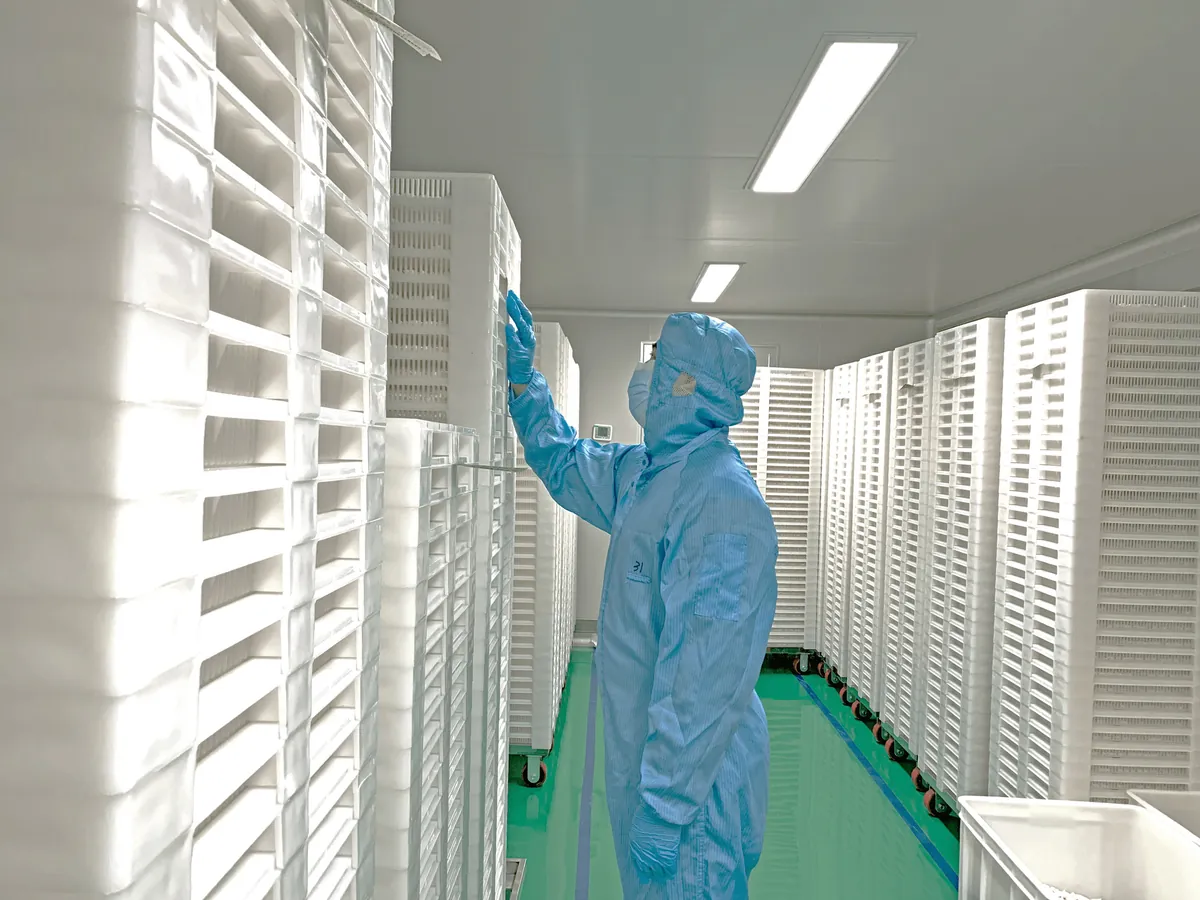
Manufacturing follows a unidirectional cleanroom protocol: gowning, buffer corridor, preparation and encapsulation, drying, visual sorting, and automated bottling. All production environments are governed by continuous differential air pressure and digital temperature-humidity controls to eliminate cross-contamination, while every batch is released only after dual physical-chemical and microbiological testing.
Industry insights
These articles cover the same decision chain in practice. Each one lists its sources and the limits of what it covers at the end.
The stages of a contract nutrition manufacturing project in order: enquiry and feasibility, proposal, sample rounds, production batch, testing and release, delivery and handover, and the work that follows the first shipment.
A method for the middle of an OEM/ODM project: staged sampling, version control and change records, what sealed and retained samples can and cannot tell you, reading a certificate of analysis in a fixed order, and the records needed to release a production batch.
YOUR NEXT PROJECT
Share your product direction, target market and estimated requirements. Let’s discuss the right OEM/ODM approach.