Tablet Supplements Prone to Moisture: Evaluating Contract Manufacturing Remediation and Dehumidification
A practical guide for dietary supplement brands troubleshooting tablet softening, capping, or moisture caking, outlining batch records, packaging barrier audits, and factory remediation protocols.
Key points
- Organize batch numbers, packaging integrity, and retention samples for both defective and conforming lots before diagnosing root causes.
- Audit candidate manufacturers on structured diagnostic workflows, documented trial iterations, and objective validation protocols.
- Incorporate test criteria, exposure duration, and release specifications into commercial agreements rather than relying on brief visual inspections.
Characterizing Physical Anomalies Before Attributing Root Causes
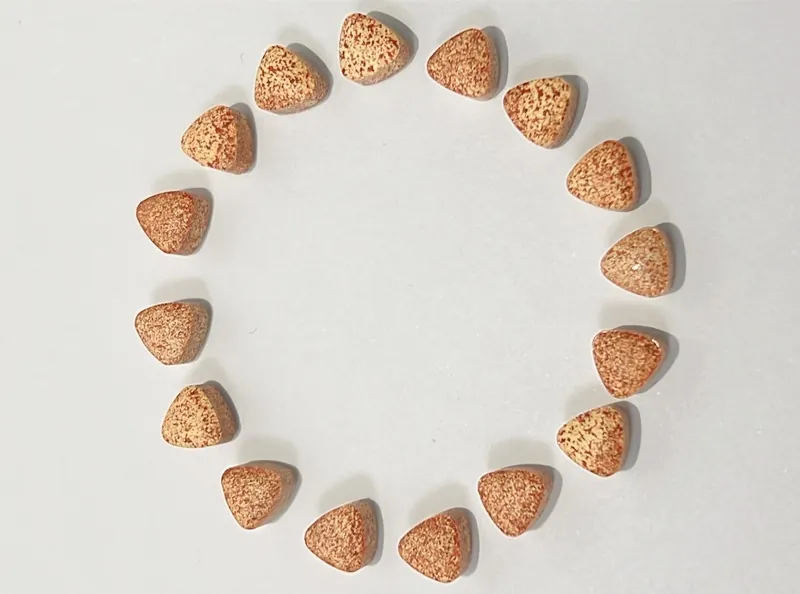
When chewable or compressed tablets exhibit softening, capping, edge chipping, or sticking—commonly summarized by clients as moisture absorption—brand owners should consolidate retention samples, packaging specifications, and supply chain exposure logs before approaching manufacturing partners. Selecting an effective remediation proposal hinges on whether the anomaly is objectively defined, formulation adjustments are traceably logged, and stability outcomes are validated under documented protocols.
Moisture damage is frequently a broad label applied to disparate physical failures. Prior to root-cause confirmation, document what was observed, when it occurred during shelf life, and the proportion of affected inventory. Avoid equating initial retail feedback with confirmed excipient incompatibility or concluding that an entire production suite failed based on isolated photographic evidence.
The same discipline applies when qualifying alternative suppliers. A documented problem dossier equips prospective partners to conduct targeted technical assessments, whereas stating that a previous supplier delivered poor quality provides inadequate technical guidance.
Preparing Harmonized Retention and Reference Samples
Consolidate operational data into four distinct categories: product specifications, packaging configuration, distribution history, and defect morphology:
- Product and Batch Records: Product identifier, active bill of materials, batch numbers, manufacturing dates, and historical certificate of analysis (COA) documents.
- Packaging Integrity: Primary and secondary packaging specifications, induction seal integrity, container closure desiccant capacity, and recent packaging revisions.
- Storage and Environmental Exposure: Recorded temperature and relative humidity logs across warehousing and transit legs, pinpointing where failure symptoms first surfaced.
- Defect Documentation: High-resolution imagery, discovery timelines, affected carton counts, and parallel retaining samples from unaffected production batches.
Consumer reports flag potential issues, but technical validation requires physical sample analysis and controlled environmental re-testing.
Auditing Diagnostic Protocols of Prospective Manufacturers
When consulting candidate contract manufacturers, evaluate their diagnostic methodology, sample testing protocols, and proposed validation milestones. A qualified partner may not provide an instant diagnosis during initial intake, but should articulate a transparent technical investigation pathway:
- Which hypotheses are supported by initial sample evaluation versus those requiring laboratory confirmation?
- What reference samples and defect quantities are required for mechanical and moisture sorption isotherms?
- What specific interventions are under consideration across excipient substitution, compression force profiling, or barrier packaging upgrades?
- How are progressive trial iterations recorded, and what defines measurable success?
- What accelerated stability tests will verify resolution, and who holds final sign-off authority?
These questions illuminate an engineering team's analytical rigor without imposing rigid templates. Exact test parameters and acceptance thresholds should be tailored by quality assurance and formulation scientists.
Establishing Objective and Comparable Remediation Benchmarks
Vague promises such as improved resistance to humidity provide insufficient contractual protection. Both parties should establish explicit test packaging, storage conditions, target physical parameters (such as tablet hardness, friability, and disintegration time), and testing durations.
When comparing pre- and post-remediation formulations, define which parameters remained constant and which were altered. If excipients, machine dwell times, and blister foil barriers are modified simultaneously, improved product performance cannot be attributed exclusively to a single variable.
Stability findings must correspond to specific sample iteration codes. Short-term chamber observations indicate directional progress but do not automatically substantiate multi-year shelf-life stability.
Translating Pilot Conformance to Commercial Batch Delivery
Upon identifying a viable formulation and process fix, integrate the confirmed bill of materials, packaging barrier specs, in-process compression controls, release criteria, and retention protocols into the commercial master batch record.
Verify that commercial quotations account for necessary pilot trials, revised packaging materials, and analytical testing. Commercial timelines must reflect lead times for raw materials and tooling rather than prototype sign-off alone.
For projects transitioning into commercial production, review batch release documentation and retain ongoing market surveillance logs. To evaluate tablet optimization for your brand, review our OEM project brief guide and connect via the ATXA consultation portal.
Sources and scope
- ATXA Solid Dosage Capabilities
Overview of tablet compression suites, environmental dehumidification, and cleanrooms.
- ATXA Technical Support and Audits
Technical intake for solid dosage troubleshooting and contract manufacturing evaluation.
Sources checked and this article last revised on 2026-10-28. Source pages may change; refer to their current content.