How an OEM/ODM Nutrition Project Runs: From Enquiry to Delivery
The stages of a contract nutrition manufacturing project in order: enquiry and feasibility, proposal, sample rounds, production batch, testing and release, delivery and handover, and the work that follows the first shipment.
Key points
- A contract manufacturing project moves through a fixed sequence of stages, and each stage has its own deliverable.
- Most disagreements are not technical; they come from moving into a stage before the previous one was closed.
- The sample stage confirms a version; the batch stage confirms that the version can be repeated.
- Delivery includes records and retained samples, not only cartons.
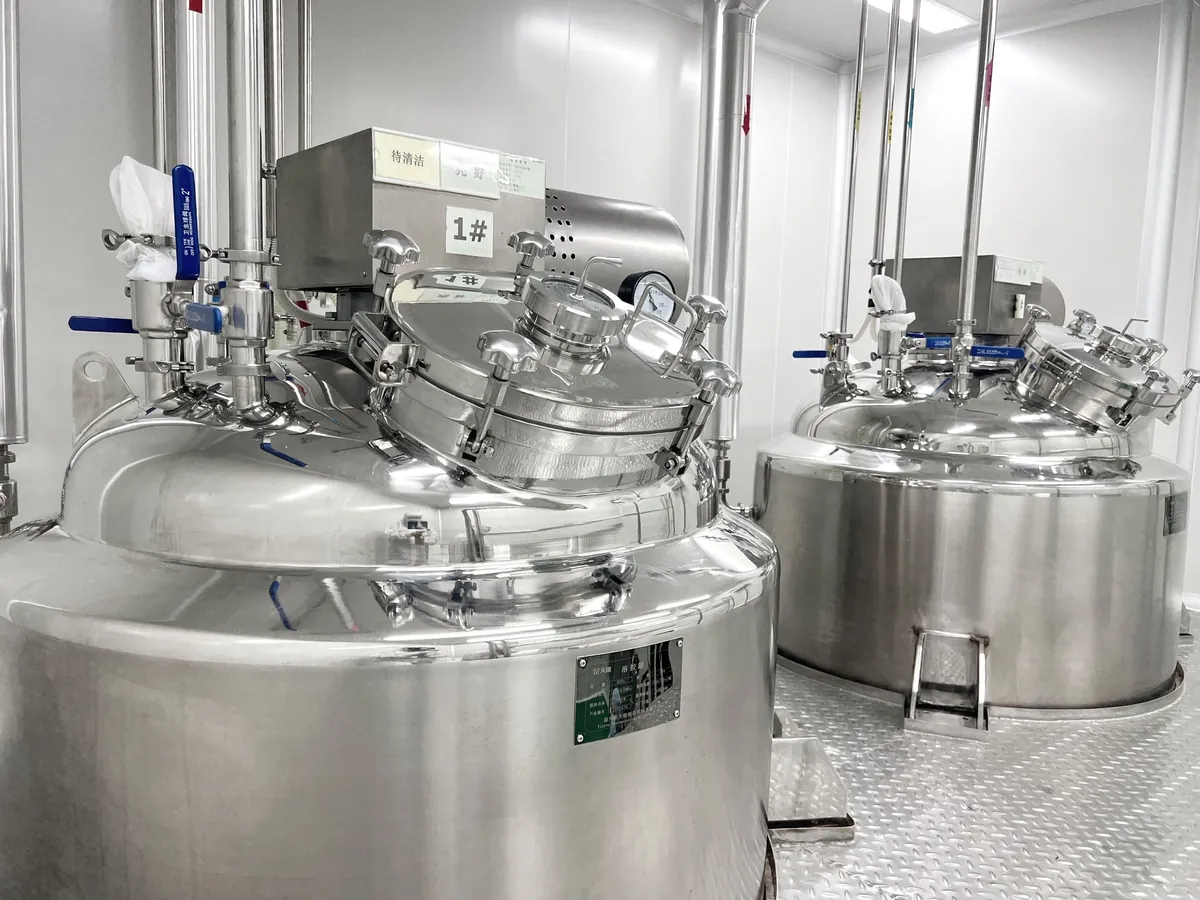
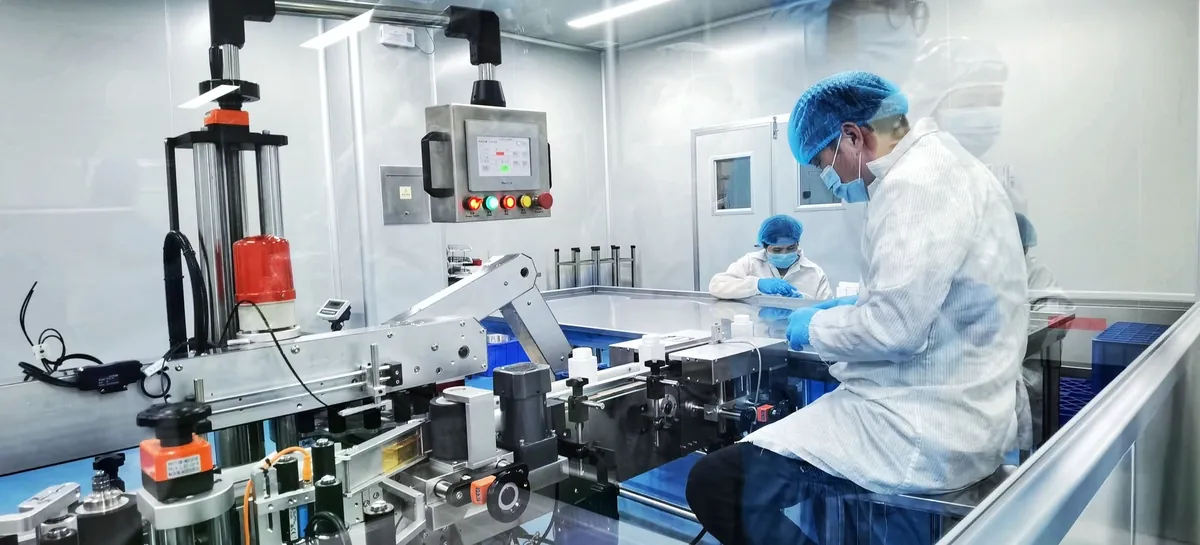
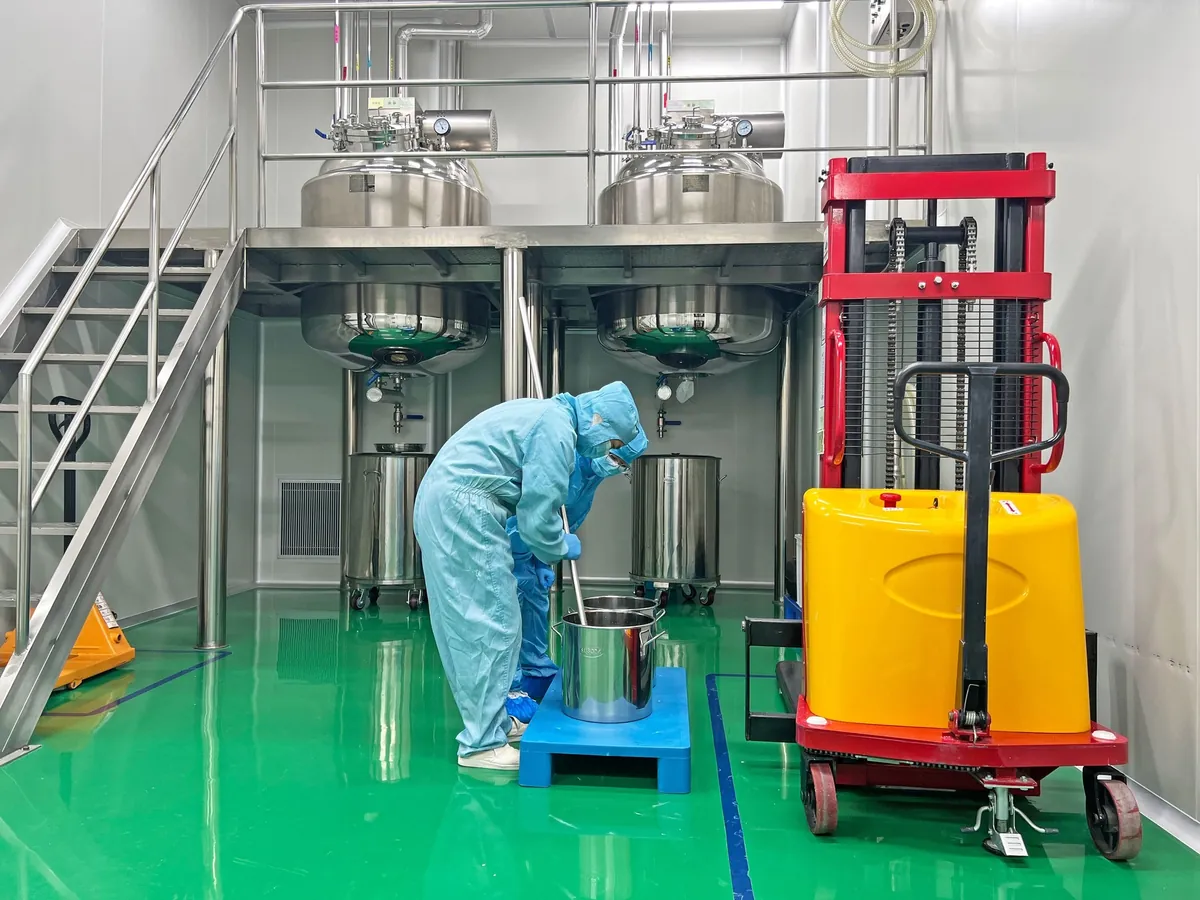
An OEM/ODM nutrition project moves through a fixed sequence: enquiry and feasibility, proposal and specification, sample rounds, production batch, testing and release, delivery and handover, and post-delivery obligations. Each stage has a deliverable, and each one depends on the previous stage being closed rather than assumed. Most disputes in this kind of project are not technical disagreements about formulas — they come from entering a stage before the one before it was finished, which is why the sequence is worth understanding before the first enquiry is sent.
What happens after you send your first enquiry?
The first exchange should establish whether the project is technically possible at all, before any commercial discussion. In practice it covers four things:
- Whether the format and the materials are workable — the factory assesses the specification against its own process and lines.
- Which regulatory framework applies in the destination market — this determines what the finished product must be checked against.
- What the buyer's actual quantity looks like — because minimum order quantity is calculated per project rather than taken from a site-wide list.
- Which party owns which decision — formula, materials, artwork, testing.
The output of this stage is not a quote. It is a shared view of what would need to be true for the project to proceed, and a list of what is still open.
ATXA's public flow — requirement discussion, proposal review, sample confirmation and batch production — is described on the manufacturing page. The sequence below follows that shape; the exact division of work between parties is what the project brief is for.
How does a factory turn a brief into a proposal?
The proposal stage converts a brief into something that can be priced and scheduled. That means the brief's open questions have to be answered one by one, not in general terms:
- The formula version is fixed, or the development work needed to reach one is scoped.
- The material specifications are named — grade, supplier constraints, any certification the market requires.
- The fill weight and pack count are settled, so the line and the packaging tooling can be matched to them.
- The packaging is defined — primary, secondary, artwork status, and who owns the design files.
- The test plan is agreed — which items, which methods, which acceptance criteria.
A proposal that leaves these open cannot be compared against another proposal, because the two may not describe the same product. When comparing, check that each quote covers the same formula version, materials, fill and pack count, packaging, testing, and tax and freight assumptions — and ask each factory to state what the price excludes.
If the format itself is still unsettled, choosing between softgel, tablet and powder is the decision that has to come first, because it determines the line, the packaging and the test plan that follow.
What does the sample stage actually involve?
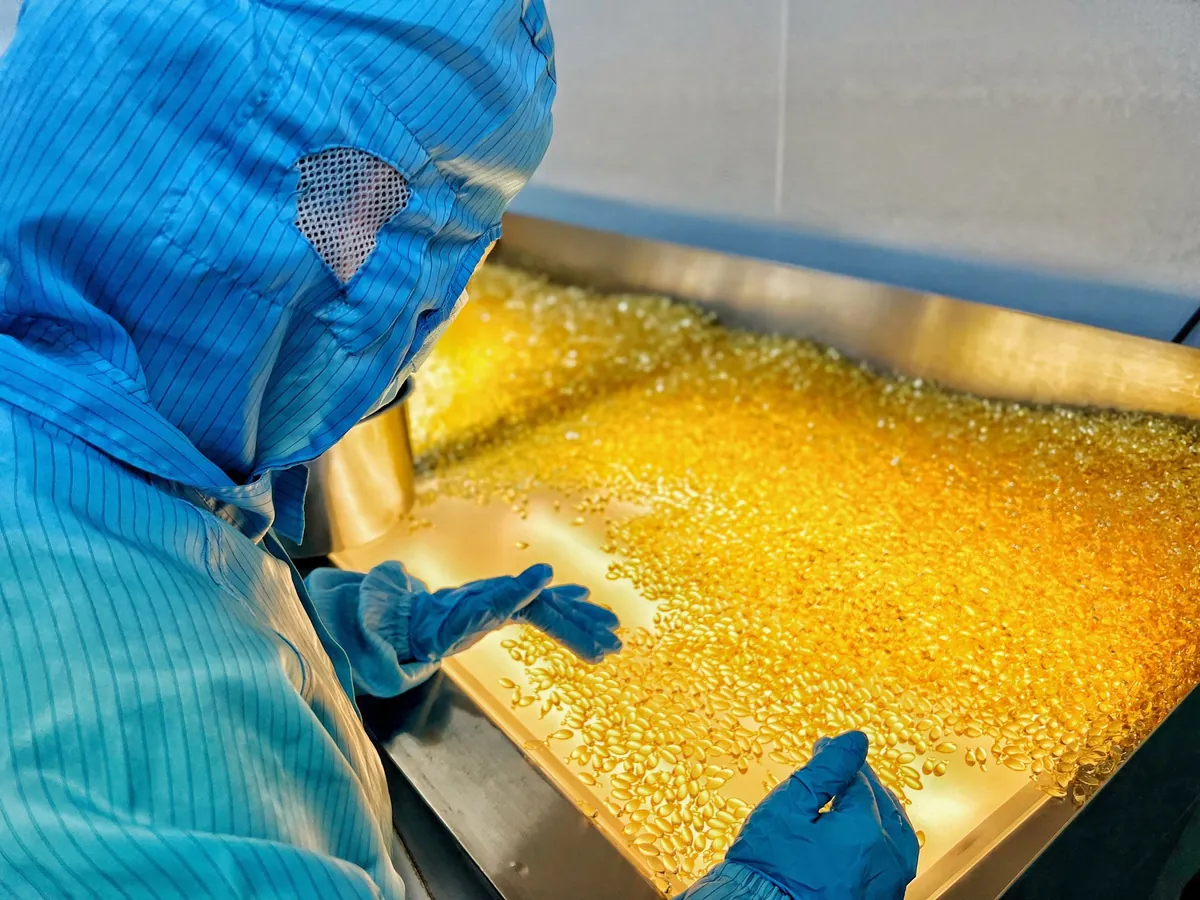
Sampling is not one event but a sequence, and each round confirms something the previous round could not. A typical progression runs from a laboratory trial, through a pilot batch, to a confirmation batch produced with the agreed materials, packaging and process.
- Laboratory trial — establishes whether the formula works at bench scale: process feasibility and a first sensory read.
- Pilot batch — produced closer to real conditions, to set the process window, check fill weight distribution and confirm packaging fit.
- Confirmation batch — produced with the agreed materials, packaging and process, used to confirm the finished-product state, the test methods and the acceptance criteria.
Every round should carry a unique version number, and the record against that version should note the formula, the appearance, the taste or swallowing experience, the packaging, the test results and the open items. What is confirmed at this stage is a version. What remains open at this stage includes stability, packaging compatibility and the requirements for releasing a production batch — sample review and batch records sets out that distinction in full.
How is a production batch scheduled and what does the record set look like?
The batch stage repeats the confirmed conditions under a written production schedule. Before the first production run runs, the list of documents that answers "why was this batch released" should be agreed, with a named provider for each:
- Batch production record — material batch numbers and quantities, processing steps and key parameters, actual output and losses, and how any rework or deviation was handled.
- Finished-product release record — who released it, when, and against which specification and test results.
- Test reports — the agreed items, with the methods and criteria used.
- Incoming material records — material test reports, supplier qualification, and traceability to the material batch.
- Packaging and label approval — the packaging version actually used, the final artwork, and the approval record.
- Retained and sealed sample records — sample numbers, storage conditions, and disposal at the end of the period.
The US rules for dietary supplements treat the batch production record as a category of record in its own right — see 21 CFR Part 111, Subpart I — and Subpart J places laboratory operations inside the production control system rather than beside it. These are US texts, used as a checkable reference for what a batch record should contain; they are not a statement of Chinese regulatory requirements.
Deviations happen in production. What matters is that they are recorded, assessed, decided and closed — with the line between rework and re-processing drawn in advance, because the two have different acceptance conditions.
What happens at delivery, and what does the handover include?
Delivery is a handover of evidence, not just of cartons. The shipment should arrive with the records that the agreement said would travel with it, and the buyer's own goods-in check should compare the delivered packs against the approved artwork and the agreed specification rather than accepting them on arrival.
Before the first delivery, settle the destination-market requirements that travel with the product: label particulars, language, nutrition and ingredient presentation, and any registration or import documents that must accompany the shipment. The European Commission page on food information to consumers is one place where those requirements are published; the applicable rules are always the ones in force in the destination market at the time of sale, and each product category is treated differently.
If more than one market is in scope, the differences between market versions are handled separately — see the four checking lines for a multi-market formula.
What comes after the first shipment?
The first delivery starts a different kind of work: managing the product as a live commercial item rather than a project.
- Retention and traceability — retained samples and the records that let a batch be traced back to its materials.
- Renewal of credentials and documents — certificates and registrations have their own validity periods, and the buyer's own compliance file has to track them. Verifying what a certificate actually covers is covered in verifying a manufacturer's certificates.
- Change control — a change to a material, a specification or a packaging component needs to be raised, assessed and approved under the agreed process, not absorbed silently into the next order.
- Repeat orders — a repeat order is a new project with a shorter brief, not an automatic continuation of the first one.
To discuss a specific project, use the OEM/ODM project enquiry form with the product, the target market and the stage you have reached.
Sources and scope
- ATXA · Manufacturing
Public description of ATXA's own project flow — requirement discussion, proposal review, sample confirmation and batch production — used as the stage model in this article; it describes this publisher's service and is not a universal workflow for every factory.
- eCFR · 21 CFR Part 111, Subpart I — Batch Production Record
US rules setting out the content of a batch production record for dietary supplements; used as a checkable reference for what the batch stage must leave behind, and not a statement of Chinese regulatory requirements.
- eCFR · 21 CFR Part 111, Subpart J — Laboratory Operations
US rules on laboratory operations within dietary supplement manufacturing, used to show that finished-product testing sits inside the production control system rather than beside it; a US text, not guidance on Chinese testing practice.
- European Commission · Food information to consumers
Commission legislation page for food information to consumers, cited as the kind of destination-market reference that must be settled before the delivery stage; it does not establish the requirements for any particular product or market.
Sources checked and this article last revised on 2026-11-07. Source pages may change; refer to their current content.